ISSN : 2393-8862
American Journal of Pharmacology and Pharmacotherapeutics
Evaluation of Cardioprotective Activity of Magnolia officinalis Bark Extract against Doxorubicin Induced Toxicity in Mice
Sidhant Sharma* and Rajdeep Kaur
Department of Pharmacology, IEC University, Himachal Pradesh, India
- *Corresponding Author:
- Sidhant Sharma
Department of Pharmacology, IEC University, Himachal Pradesh, India
E-mail:sidhants665@gmail.com
Received date: July 21, 2024, Manuscript No. IPAPP-24-19428; Editor assigned date: July 24, 2024, PreQC No. IPAPP-24-19428 (PQ); Reviewed date: August 07, 2024, QC No. IPAPP-24-19428; Revised date: April 07, 2025, Manuscript No. IPAPP-24-19428 (R); Published date: April 14, 2025, DOI: 10.36648/2393-8862.12.2.206
Citation: Sharma S, Kaur R (2025) Evaluation of Cardioprotective Activity of Magnolia officinalis Bark Extract against Doxorubicin Induced Toxicity in Mice. Am J Pharmacol Pharmacother Vol:12 No:2
Abstract
This study investigated the cardioprotective effects of Magnolia officinalis bark extract in C57 mice. The extract's ability to protect against doxorubicin (3 mg/kg, i.p.) induced cardiotoxicity was evaluated. Body weight, heart weight index, LDH and CK-MB levels were measured as markers of cardio protection. Histopathological analysis of heart tissues was also performed.
The Magnolia officinalis extract contained various bioactive compounds, including cardiac glycosides, carbohydrates, proteins, alkaloids, glycosides, saponins and phenols. The extract effectively protected the hearts of mice from doxorubicin-induced cardiotoxicity. Histopathological examinations supported the biochemical findings. The extract's cardioprotective action is likely attributed to its antioxidant properties. The Magnolia officinalis bark extract possesses cardioprotective activity when tested in C57 mice.
Keywords
Cardioprotective; Alkaloids; Glycosides; Saponins
Introduction
Cardiotoxicity refers to the failure in the pumping action of the heart or muscle damage. In cardiotoxicity the heart becomes weaker and is not as efficiently in pumping blood. Cardio toxicity is caused by chemotherapy treatment or radiotherapy [1]. Anthracyclines are the class of drug that is known for causing cardiotoxicity. The generation of free radical is the main mechanism in causing drug induced cardiotoxicity. Drug induced cardio toxicity possess a serious risk to human health and is a concerning issue nowadays. Cancer survivor’s patients are at high risk of developing late cardio vascular side effects [2,3].
The primary cause of CVDs is the production of free radicals. The important factor in the development of cardiovascular diseases is the increase in tissue damage and oxidative stress which occur whenever the balance between free radical and antioxidant activity gets disturbed [4].
Anticancer drugs are well known to cause a various type of toxicities, including cardiac damage that include cardiac dysfunction leading to heart failure, myocardial ischemia, arrhythmias, hypertension, myocarditis, pericarditis and thromboembolism. Alkylating drugs, including cisplatin, cyclophosphamide, ifosfamide, carmustine, chlormethine, busulfan and mitomycin are especially associated with cardiac toxicity [5].
Doxorubicin (Dox) is one of the anthracyclines classes of anticancer drug that are used in clinical practice. One major side effect of this class of chemotherapeutic drugs is cardiotoxicity that cause dilated cardiomyopathy and heart failure. The one of major factor responsible for Dox induced cardiotoxicity is Reactive Oxygen Species (ROS) induced-mitochondrial damage. Antioxidants protect cardiac cells from oxidative damage and cardiotoxicity. The anti-oxidant therapies are still not very effective. Therefore, it is necessary to exploring novel therapeutic strategies. To alleviate the cytotoxic effect of Dox remains a major challenge [6].
Mechanism of doxorubicin induced cardiotoxicity
The mechanism by which doxorubicin cause cardiac damage has not been fully understand. The generation of free radicals is the important factor for cardiotoxicity. Free radicals cause injury to lipid structures in the myocardial cells. The resultant peroxidation of these structures impairs the function of the sarcoplasmic reticulum and mitochondria. Cardiac myocytes are more prone to these degenerative changes due to their lack of enzymes like catalase and superoxide dismutase. This makes them less capable of metabolizing free radicals than other cells. The end result of this cardiac damage is cell necrosis. Doxorubicinol, a major metabolite of doxorubicin, shows a greater effect on the calcium pump of the sarcoplasmic reticulum compared to the parent compound. This suggests that the antitumor effect is distinct from the cardiotoxic effect [7].
Many drugs are available with cardioprotective activities. Among them, flavonoids and phenolic compounds, which are antioxidants, are extensively used for their heart-protective effects. Antioxidants are substances that chemically react with free radicals, rendering them harmless. This disrupts the vicious cycle involving the breakdown of fatty acids and proteins, the creation of new free radicals and ultimately, cell death [8].
Honokiol is an active compound extracted from the bark of Magnolia officinalis, a plant used in old Chinese medicinal system, possesses a wide range of pharmacological effects. These include antitumor, antibacterial, antihypertensive and cardioprotective properties against pressure overload hypertrophy, doxorubicin-induced cardiotoxicity and arrhythmia. As an effective antioxidant, honokiol can scavenge free radicals and protect DNA. Studies have shown that honokiol protects the mitochondria of rat hearts against lipid peroxidation [9].
Honokiol (3',5-di-(2-propenyl)-1,1'-biphenyl-2,4'-diol) belongs to the class of neolignans, a group of plant-based phytochemicals structurally similar to lignans. The shikimic acid pathway is involved in its biosynthesis.
In Asian regions, honokiol is used as an ingredient in some forms of traditional medicine. The main source of honokiol is Magnolia officinalis, which is primarily grown in China. Various plant parts, including the bark, seed cones and leaves, are used to extract the lignan honokiol.
In addition to the previously mentioned effects, honokiol is also known to possess anxiolytic (anti-anxiety), analgesic (painrelieving), antidepressant, antithrombotic (blood-clot preventing) and antibacterial activities [10].
Honokiol, a polyphenolic compound, exhibits neuroprotective properties in various animal models of Central Nervous System (CNS) disorders. These disorders include spinal cord injury, epilepsy, cerebrovascular injury, anxiety and cognitive decline. Its neuroprotective effects attribute from its ability to:
• Prevent oxidative damage and neural excitotoxicity
• Reduce neuroinflammation
• Regulate mitochondrial function
Honokiol's effectiveness in treating Parkinson's Disease (PD) has been demonstrated by its ability to reduce oxidative damage and inflammation, thereby improving neuronal function and motor impairments. In Alzheimer's disease models (APP/PS1), honokiol improves cognitive function by mitigating mitochondrial damage. Administration of honokiol enhances mitochondrial fusion, which in turn reduces cerebral edema and neurobehavioral disability. This mechanism helps maintain mitochondrial structure, safeguard their function and ultimately support the survival of neural cells.
Importantly, honokiol can cross the Blood-Brain Barrier (BBB), making it a promising therapeutic agent for various Neurodegenerative Diseases (NDs). Research continues to explore the neuroprotective effects of honokiol and its derivatives, with a particular focus on their neurotherapeutic potential and safety profiles to ensure minimal side effects.
Materials and Methods
Plant collection
Magnolia officinalis is a plant that grows throughout India, China. The plant was collected in the month of December from college campus, Baddi, Himachal Pradesh, India and was taxonomically identified by the Department of Botany, IEC University, Baddi, Himachal Pradesh, India.
Extraction the freshly cut plant bark was dried in the shade with active ventilation at ambient temperature and pulverized to a coarse powder using mechanical grinder and sieved with the help of 40 mesh size. The powder was percolated in methanol for about 20 days. The dark brownish semisolid extract is preserved in tightly closed container and used for the analysis.
Preparation of extract
A SEDDs formulation of phenolic extract of bark of Magnolia officinalis was prepared in Tween-80, Caproyl PGMC, PEG 300 and Transcutal Hp. The formulation was freshly prepared on each day of the experiment by dissolving a given quantity of the dried extract in an appropriate volume of Tween-80, PEG 300, Caproyl PGMC and Transcutal HP. Doses of the extract are prepared according to body weight of the animal.
Experimental animals
C57 male mice of 8 weeks old, weighing 20 g-25 g, obtained from the laboratory animal center and housed in solid bottom polycarbonate cages under controlled environmental conditions (22 ± 2°C with 55 ± 5% humidity and a 12/12-hour light/dark cycle). Ethical clearance was obtained from the Institutional Animal Ethical Committee (IAEC/375/84/2/2024). All procedures are in strict compliance with relevant laws, the Animal Welfare Act, public health services policy and guidelines established by the institutional animal care and use committee of the university.
Experimental design
The experimental mice were divided into 6 groups, each consisting of 6 animals.
Group I: The control group, serving as the negative control, received a control diet.
Group II: The doxorubicin-induced group, serving as the positive control, was given a single intraperitoneal (i.p.) injection of doxorubicin at 3 mg/kg body weight from days 8 to 12 and a control diet.
Group III: The mice were administered Magnolia officinalis extract at 5 mg/kg orally once daily for up to 14 days, followed by doxorubicin administration on days 8 to 12.
Group IV: The mice were administered Magnolia officinalis extract at 7.5 mg/kg orally once daily for up to 14 days, followed by doxorubicin administration on days 8 to 12.
Group V: The mice were administered a formulation of Magnolia officinalis extract at 5 mg/kg orally once daily for up to 14 days, followed by doxorubicin administration on days 8 to 12.
Group VI: The mice were administered a formulation of Magnolia officinalis extract at 7.5 mg/kg orally once daily for up to 14 days, followed by doxorubicin administration on days 8 to 12.
The duration of the experiment was 14 days. At the end of the experiment, blood was collected from all groups and serum was separated by centrifugation at 2500 rpm for 10 minutes. The animals were sacrificed to remove the heart for histopathological studies.
Acute toxicity studies
The dose limits were selected on the basis of oral acute toxicity studies in mice in accordance with the Organization for Economic Co-operation and Development (OECD) guidelines. The acute toxicity test was carried out in mice by giving doses of 5 and 7.5 mg/kg body weight. All groups of test drug showed neither any toxic effect, nor any lethal effect in the dose range of 5 to 7.5 mg/kg body weight.
Biochemical estimation from serum
The serum is analyzed for the presence of different enzymes related to myocardial infarction such as Lactate Dehydrogenase (LDH), Creatine Kinase-MB Fraction (CK-MB). All analysis were performed with commercially available kits based on the references using analyzer.
Biochemical estimation from tissue homogenate
After sacrificing the mice by cervical dislocation, the heart tissue was excised immediately and washed with chilled isotonic saline. The heart tissue homogenate is prepared in 0.05 M phosphate buffer, pH 7.4 and homogenate in tissue homogenizer at 2,000 rpm for 10 min.
Histological studies
After sacrificing the rats by cervical dislocation, some portion of atria and ventricle was collected, washed in normal saline and was perfused with 10% formalin and stored in the same for histopathological studies. It was fixed by using 40%formaldehyde as fixative for 24 hours and dehydrated with alcohol. All tissues are cleaned and embedded by using xylene and molten paraffin wax (melting point 58°C-60°C). Sections are cut at 5 μm thickness and were stained by double staining. To differentiate the nucleus and cytoplasm, the basic dye hematoxylin and the acid dye eosin were used. Electron micrographs were performed using transmission electron microscope and photographed by photomicrography.
Statistical analysis
Data are presented as mean ± Standard Error of the Means (SEM). One-way Analysis of Variance (ANOVA).
Results
Body weight
The body weight was observed on day 1st, 7th, 12th and 14th day of the experiment to determine any variation occur in the weight of animals. The body weight of animals of group 2 decreases due to weakness caused by doxorubicin while the body weight of animals of other groups increases. The body weight changes of the animals were measured throughout study period and given into the Table 1 and Figure 1.
| Day | Group 1 (control) | Group 2 (disease) |
Group 3 Honokiol plain 5 mg/kg |
Group 4 Honokiol plain 7.5 mg/kg |
Group 5 (Honokiol formulation 5 mg/kg) |
Group 6 (Honokiol formulation 7.5 mg/kg) |
| Day 0 | 20.3 ± 1.56 | 17.7 ± 1.15 | 21.8 ± 1.2 | 21.5 ± 2.1 | 23.6 ± 3.1 | 27.2 ± 2.6 |
| Day 7 | 25.4 ± 2.2 | 24.6 ± 1.9 | 27.5 ± 1.6 | 27.7 ± 2.3 | 27.3 ± 3.5 | 32.8 ± 3.1 |
| Day 12 | 28.1 ± 1.47 | 26.4 ± 2.39 | 27.3 ± 2.5 | 28.5 ± 1.9 | 30.3 ± 2.8 | 33.2 ± 3.0 |
| Day 14 | 30.1 ± 1.47 | 24.7 ± 2.3 | 29.1 ± 2.2 | 30.2 ± 2.0 | 31.2 ± 2.1 | 35.1 ± 3.3 |
Table 1: Body weight changes.
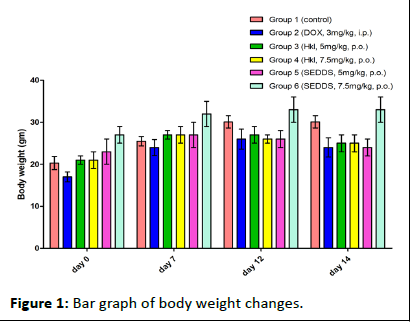
Figure 1: Bar graph of body weight changes.
Organs weight
Organ weight is an important parameter in evaluation of cardio protective activity. Changes in organ weights, either absolute or relative to body weight, brain weight or other reference, are sensitive indicators of early toxicity, especially under tightly controlled conditions, such as an experimental study. In acute studies there may be no other indicator detected and weight change reveals the organ as a target. In the case of testes and brain, where early morphologic lesions may not be demonstrable without expensive cytometry, weight change alone may serve as a valid biomarker of toxicity. Knowledge of organ weights of treated animals versus control or normal animals can be a factor to cause the pathologist to re-evaluate morphologic change. After end of treatment period the weights of organs i.e., heart, lungs, liver, kidney and spleen were measured and tabulated in Table 2.
| Group | Heart (g) | Liver (g) | Spleen (g) | Kidney (g) | Lungs (g) |
| Group 1 (Control) | 103.3 ± 9.2 | 1731 ± 53.7 | 81.6 ± 6.88 | 316 ± 28.8 | 125 ± 19.6 |
| Group 2 (Doxorubicin treated) | 108 ± 21.8 | 1179.5 ± 151 | 18.6 ± 5.7 | 232.2 ± 38.3 | 117.3 ± 17.5 |
| Group 3 (Honokiol 5 mg/kg) | 108.5 ± 15.1 | 952.1 ± 59.1 | 30.8 ± 8.2 | 262.8 ± 40.6 | 127 ± 36.5 |
| Group 4 (Honokiol 7.5 mg/kg) | 97 ± 19.1 | 1005 ± 86.2 | 23.6 ± 5.5 | 223.3 ± 19.4 | 98.8 ± 4.9 |
| Group 5 (Honokiol formulation 1) 5 mg/kg | 107.5 ± 8.7 | 1267.6 ± 383 | 39.16 ± 15.2 | 280.5 ± 26.4 | 134.3 ± 13.7 |
| Group 6 (Honokiol formulation 2) 7.5 mg/kg | 104.3 ± 9.4 | 1645 ± 186.3 | 50.5 ± 8.2 | 356.6 ± 38.5 | 142 ± 17.6 |
Table 2: Difference in weight of organs.
The DOX treated group significantly increased in heart weight and decrease in weight of lungs, liver, kidney and spleen when compared with the normal control group and the heart weight increases due to enlarged, dilated and the edema as well as infiltration of inflammatory cells. The extract of Magnolia officinalis bark treated group significantly decreased the heart weight when compared with disease control (DOX treated) group. The high dose of Magnolia officinalis formulation treated group most significantly decreased the heart weight and increase in the weight of liver, lungs, kidney and spleen than low dose of Magnolia officinalis formulation treated group and the plain groups. This indicate that formulation group shows better cardio protection action than other groups (Figure 2).
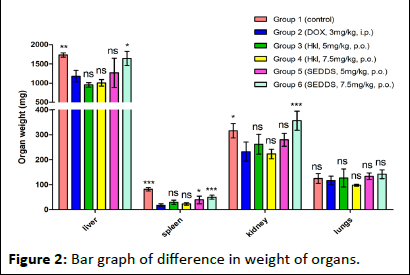
Figure 2: Bar graph of difference in weight of organs.
Serum parameters
Lactate Dehydrogenase (LDH assay): The blood from all group were collected and centrifuged. The serum was collected and LDH activity was measured using a commercially available kit according to the manufacturer's instructions. LDH is a protein and expressed extensively in body tissues such as, blood cells and heart muscle. It is released in blood stream during tissue damage and it is a common marker enzyme for cardiac failure. The LDH level in blood serum was estimated and the results were given.
The effect of Honokiol on LDH activity in different group were recorded and compared with control group to determine the cardio protective action of honokiol. The LDH levels are higher in plain honokiol group (honokiol dissolved in water) and lower in formulations groups as compared with control group. This study revealed that Honokiol formulations shows good cardio protective effect than plain honokiol group when compared with control (Table 3 and Figure 3).
| Group | LDH value |
| Group 1 (Control) | 964 |
| Group 2 (Doxorubicin treated) | 1606 |
| Group 3 (Honokiol) 5 mg/kg | 1312 |
| Group 4 (Honokiol) 7.5 mg /kg | 1459 |
| Group 5 (Honokiol formulation 1) 5 mg/kg | 1129 |
| Group 6 (Honokiol formulation 2) 7.5 mg/kg | 1000 |
Table 3: LDH assay.
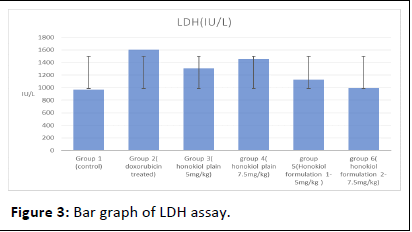
Figure 3: Bar graph of LDH assay.
Creatinine kinase myocardial band: Creatinine Kinase (CK) is a muscle specific enzyme mainly for heart and brain and it is the diagnostic marker for myocarditis, cardiac insufficiency, arrhythmias and MI. It has 3 sub types of isoenzymes, they are CK-MM, CK-MB and CK-BB. CK-MB is the main diagnostic marker enzyme for heart. This enzyme released from heart muscle to blood during myocardial damage. The level of CK-MB enzyme was estimated in blood serum and results were given in the following Table 4 and Figure 4.
| Group | Concentration of CK-MB (IU/I) |
| Group 1 (Control) | 271.33 |
| Group 2 (Doxorubicin treated) | 400.10 |
| Group 3 (Honokiol plain 5 mg/kg) | 380.10 |
| Group 4 (Honokiol plain 7.5 mg/kg) | 350.50 |
| Group 5 (Honokiol formulation 1) 5 mg/kg | 310.20 |
| Group 6 (Honokiol formulation 2) 7.5 mg/kg | 278.50 |
Table 4: Concentration of CK-MB.
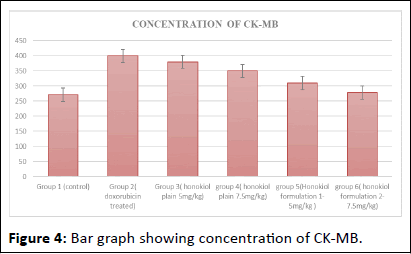
Figure 4: Bar graph showing concentration of CK-MB.
Discussion
The present study was carried out based on the ethno medicinal use of plants as cardio protective. In this study CK-MB and LDH is used to detect cardio toxicity. LDH is the major enzyme present in heart. Increase in the value of LDH represent the cardiac failure. The CK-MB and LDH assay are most commonly employed for detection of cardio protection.
The LDH value of group 1 is 964 which represent that the heart is properly functioning and there are no signs of tissue damage. The LDH value of group 2 (disease treated) is 1606 which is higher than the normal control group that represent the cardiac damage and it is not properly functioning. The LDH value of group 3 (Honokiol plain-5 mg/kg) is 1312 which is higher than the normal control but less than that of disease group this indicate that there is some sign of cardiac damage but drug show very less cardio protective effect. The LDH value of Group 4 (Honokiol plain-7.5 mg/kg) is 1459 which is higher than the normal control that indicate the sign of cardiac damage and drug show very less cardio protective activity. The LDH value of Group 5 (Honokiol formulation-5 mg/kg) is 1129 which indicate that drug better show cardio protective action than group 3 and 4. The LDH value of Group 6 (Honokiol formulation-7.5 mg/kg) is 1000 which is nearly equal to control group this represent that drug show its highest cardio protective effect than other groups. From the result, the Dox treated group showed significant increase CK-MB levels in serum when compared with normal control group. The pretreatment with Magnolia officinalis bark extract against Dox induced cardiotoxicity group significantly decrease the marker enzyme levels. The high dose of Magnolia bark extract most significant decrease the CK-MB levels in serum when compared with low dose of Magnolia officinalis bark extract. The result also indicates that the animal which receive Honokiol formulation group show significant decrease in weight of heart and increase in weight of lungs, liver, spleen and kidney when compared to disease group. They also show significant increase in body weight when compared with disease group. The general observations like behavioral changes and appearance of the animals were noted throughout the experimental period. In DOX treated group have shown the characteristic changes as the animal fur became scruffy, had red exudates around the eyes and nose, soft watery faeces, abdomen enlargement and animals looked weaker and lethargic when compared with normal control. These observations are markedly less in the animals treated with ethanolic extract of Magnolia officinalis bark when compared with DOX treated group.
The study showed that the Dox treated group significantly increase in kidney, spleen, lungs, liver weight when compared to normal control group. The extract of Magnolia officinalis treated group significantly decreased the kidney, spleen, lungs, liver weight when compared with disease treated group. The higher dose of plant extract most significantly decreased the kidney, spleen, lungs, liver weight than lower dose of bark extract. This study demonstrated that honokiol formulation groups shows better cardio protective activity than plain honokiol groups.
Conclusion
This study was chosen for the scientific evaluation of cardio protective potential of Magnolia officinalis based on the presence of bioactive compounds which is used to prevent cardiotoxicity. Doxorubicin is an anthracycline antibiotic which is effectively used in the treatment of different malignancies. Now a days its use is limited because of drug induce cardio toxicity in dose dependent manner. Several mechanisms are involved in Dox induced cardiotoxicity, but the major mechanism is oxidative stress.
The in vivo study was conducted with 6 group of C57 mice, 6 animals in each group. For assessing the cardio protective activity, doxorubicin induced cardiotoxicity model was used. The dose of plant extract was chosen for test to be 5 mg/kg and 7.5 mg/kg.
In the study, mice showed significantly decreased in body weight and looked very weaker with the normal control group. The pre-treatment of bark extract of plant to Dox administered animals showed significantly increase in body weight. The heart weight of Dox treated mices showed significantly increase in when compared to with normal control group. Dox induced cardiotoxicity group increase LDH and CK-MB levels in serum and it was significantly decreased in plant extract treated groups. The formulation of extract at the doses of 5 mg/kg and 7.5 mg/kg significantly reduced the Dox induced cardiotoxicity. It is therefore possible that the cardio protective effects shown in this study against dox induced cardiotoxicity by activation of PPAR γ pathways and P13/AKT pathways. In Dox induced cardio toxic group significantly decreased the hematological parameter values and the pretreatment of Magnolia officinalis bark to Dox administered animals shows that the hematological parameter values were increased. The elevation of cardiac marker enzyme level in serum was showed in Dox induced cardio toxic group and it confirms the onset of myocardial injury. The pretreatment of Magnolia officinalis bark extract to Dox administered animals significantly decreased the cardiac marker enzyme level in serum.
The result of the present animal study indicated that the Magnolia officinalis bark possess cardio protective activity and thus study support to suggested ethno medical uses of plant in treatment of cardiovascular diseases. Further studies are recommended for exact understanding mechanism of active constituents responsible for cardio protection effects.
References
- Mensah GA, Roth GA, Fuster V (2019) The global burden of cardiovascular diseases and risk factors: 2020 and beyond. J Am Coll Cardiol 74:2529-2532
[Crossref] [Google Scholar] [PubMed]
- Virani SS, Alonso A, Benjamin EJ, Bittencourt MS, Callaway CW, et al. (2020) Heart disease and stroke statistics-2020 update: A report from the American Heart Association. Circulation 141:e139-e596
[Crossref] [Google Scholar] [PubMed]
- Kaptoge S, Pennells L, de Bacquer D, Cooney MT, Kavousi M, et al. (2019) World Health Organization cardiovascular disease risk charts: Revised models to estimate risk in 21 global regions. Lancet Glob Health 7:e1332-e1345
[Crossref] [Google Scholar] [PubMed]
- Singal PK, Iliskovic N (1998) Doxorubicin-induced cardiomyopathy. N Engl J Med 339:900-905
[Crossref] [Google Scholar] [PubMed]
- Carvalho FS, Burgeiro A, Garcia R, Moreno AJ, Carvalho RA, et al. (2014) Doxorubicinâ?Âinduced cardiotoxicity: From bioenergetic failure and cell death to cardiomyopathy. Med Res Rev 34:106-135
[Crossref] [Google Scholar] [PubMed]
- Kavazis AN, Morton AB, Hall SE, Smuder AJ (2017) Effects of doxorubicin on cardiac muscle subsarcolemmal and intermyofibrillar mitochondria. Mitochondrion 34:9-19
[Crossref] [Google Scholar] [PubMed]
- Ghigo A, Li M, Hirsch E (2016) New signal transduction paradigms in anthracycline-induced cardiotoxicity. Biochim Biophys Acta 1863:1916-1925
[Crossref] [Google Scholar] [PubMed]
- Octavia Y, Tocchetti CG, Gabrielson KL, Janssens S, Crijns HJ, et al. (2012) Doxorubicin-induced cardiomyopathy: From molecular mechanisms to therapeutic strategies. J Mol Cell Cardiol 52:1213-1225
[Crossref] [Google Scholar] [PubMed]
- Zhang GS, Wang RJ, Zhang HN, Zhang GP, Luo MS, et al. (2010) Effects of chronic treatment with honokiol in spontaneously hypertensive rats. Biol Pharm Bull 33:427-431
[Crossref] [Google Scholar] [PubMed]
- Pillai VB, Samant S, Sundaresan NR, Raghuraman H, Kim G, et al. (2015) Honokiol blocks and reverses cardiac hypertrophy in mice by activating mitochondrial Sirt3. Nat Commun 6:6656
[Crossref] [Google Scholar] [PubMed]
Open Access Journals
- Aquaculture & Veterinary Science
- Chemistry & Chemical Sciences
- Clinical Sciences
- Engineering
- General Science
- Genetics & Molecular Biology
- Health Care & Nursing
- Immunology & Microbiology
- Materials Science
- Mathematics & Physics
- Medical Sciences
- Neurology & Psychiatry
- Oncology & Cancer Science
- Pharmaceutical Sciences