


 3 / 5
3 / 5

Volume 10
Journal of Archives of Medicine
Advanced Biotechnology & Annual Pediatrics 2018
November 28-29, 2018
Page 14
Novel Trends and Advances in Biotechnology,
Cell & Stem Cell Research
15
th
Annual Congress on Pediatrics
World Congress on
&
November 28-29, 2018 Barcelona, Spain
Joint Event On
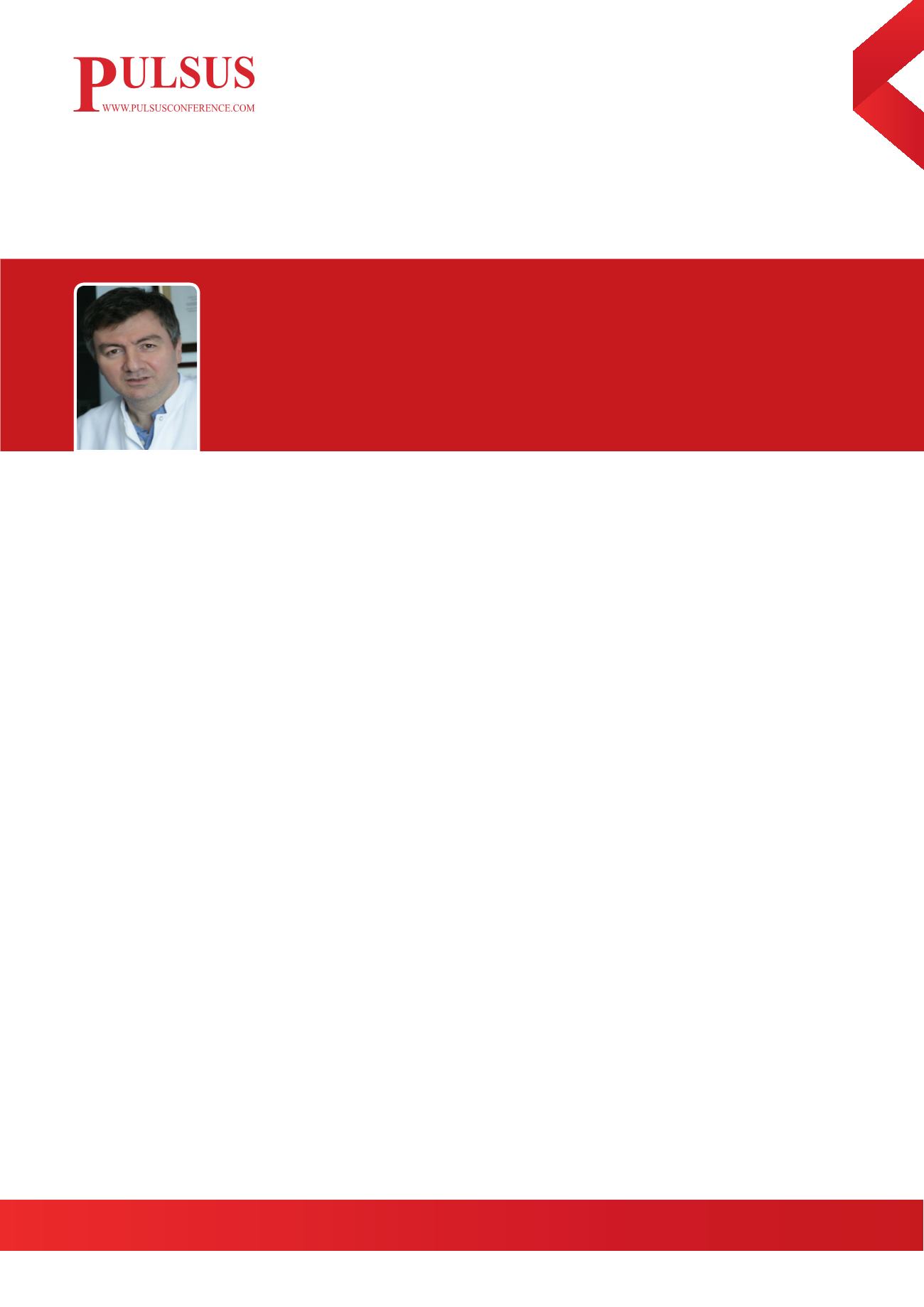
Gocha Shatirishvili
Geocord Cord Blood Bank, Georgia
Safety and efficacy of autologous cord blood intrathecal transplantation for children with autism
spectrum disorder (preliminary results)
A
utism Spectrum Disorder (ASD) is a neurodevelopmental condition with onset early in life. The stereotypical behavior,
impairment of social communication and restricted activities are characteristics. Immuno dys-regulation, hypo-perfusion
of brain and neuro-inflammation play role in pathogenesis. Lack of communication between the brain regions, responsible
for normal activities, is the main pathophysiological characteristics. There is no cure for autism. ABA therapy is not enough
efficient and new therapies are needed. Several trials demonstrated that CB transplantation for autism is safe and effective. Cord
blood stem cell has positive paracrine effect on affected brain. But not all cord blood units contain recommended cell doses for
intravenous treatment. Intrathecal injection, accepted route for neurodegenerative diseases cell therapy, could solve this problem.
This is safe route, no neural tissue damage occurs, the circumvention of the blood-brain-barrier finds place. All Injected cells are
transported by CSF to the affected parts of brain, while most of intravenously transplanted cells are caught in lungs, spleen and
liver, only tiny number of cells migrates through blood-brain barrier. The number of cells, migrated to the brain, is important
for successful treatment. Mardaleishvili Medical Center, Tbilisi startet I phase study. Children at age of 4-12 years are injected
intrathecally with autologous cord blood three times with 6 months intervals. No minimal cell dose was established. Cell dose
54x10
6
nucleated cells per injection were efficient. 3 patients were treated yet. Effectiveness was confirmed by VABS-II and
ADOS-2. No significant side effects were observed. After two transplantations children conditions were improved steadily and
significantly. Behavioral improvement, less aggressiveness, no emotional outbursts and improvement of vocabulary (from zero
up to thousand words) were reported. Abilities to speak, read, write, paint appeared in all three patients.
Biography
Gocha Shatirishvili is Medical Director of family Cord Blood Bank Geocord, Tbilisi, Georgia and Chief Scientific Officer of Department for Cell Technologies and
Therapy at Cancer Research Center, Tbilisi. He has earned his Doctoral Degree at the Medical University Lubeck (Germany). Since 2000 his research interests
focussed on stem cell research and therapy. His 18 years long experience includes cord blood banking, cell therapy with autologous bone marrow stem cells (spinal
cord injury, liver cirrhosis, heart failure, autism) and cord blood stem cells (ongoing study on autism), immunotherapy with lymphokine activated NK cells and DC
vaccine against cancer. His research field includes hematopoietic stem cell expansion (cord blood), MSC expansion (from Wharton’s jelly and bone marrow). He
is a member of Georgian National Committee on Transplantation and Committee on Bioethics at State Medical University Tbilisi. He is a member of Cord Blood
Association (Government and Global Affairs Committee, Geneva, IL, USA) and Perinatal Stem Cell Society.
gochasha@yahoo.comGocha Shatirishvili, Arch Med 2018, Volume 10
DOI: 10.21767/1989-5216-C2-004