


 4 / 5
4 / 5

Volume 2, Issue 4 (Suppl)
J Healthc Commun
ISSN: 2472-1654 JHC, an open access journal
July 31- August 01, 2017 Melbourne, Australia
International Meeting on
Nursing Research and Evidence Based Practice
Nursing Meeting 2017
July 31- August 01, 2017
Page 19
Changes that start small can have a ripple effect
Background:
What makes a nursing curriculum unique? With accreditation standards,
boards of nursing, hospital policies and the legal system, most nursing curriculums are
very similar and are the graduates of one program any different from another?
Purpose of Study:
This paper looks at changes that are ongoing at Seton Hall University,
described as a small Catholic University, especially in the health care education area. What
factors have facilitated this change? Incorporation of a philosophy of Bernand Lonergan
S J into faculty development across the campus. Through a series of meetings, workshops,
retreats and ATMs (application of the method), individuals, courses and programs have
changed. Lonergan’s philosophy, his establishment of the general empirical method as
well as the outcomes from individual ATM’s will be discussed.
Findings:
Individual faculty have made changes to their courses to expose nursing
students to more reflective learning and to include the mission of the university to both
mission trips to underserved areas as well as changes in individual courses, such as our
Lifespan Development, Maternal Family Nursing, Gerontological Nursing as well as our
graduate courses. Students have embraced the concepts brought forth from our mission
statement. They identify them as positive influences on themselves and their learning.
Conclusions:
Using themission statement as a live document and incorporating the GEM
have led to increased students attainment of course and program outcomes. Quality of
faculty teaching is essential to examine in academia. Role modeling expectations are more
likely to result in the outcomes teachers are hoping students will achieve. Leadership skills
are integral part of nursing curriculum and necessary in today's healthcare environment.
Igniting passion in subject matter is one effective way teachers can facilitate learning
outcomes among students. The concept of leadership through acts of service outside the
traditional teaching classroom is a concept that is new and requires further study. Faculty
effectiveness as perceived by students where the teacher is a leader and the learner is the
follower has been explored in the literature and identified as a perceived need. Many
universities include the development of leaders in a global society in their mission
statement. Focusing on developing leaders utilizing an educational philosophy inclusive
of acts of service can result in reflection, self-discovery, self-knowledge that benefits not
only individuals but also society.
Biography
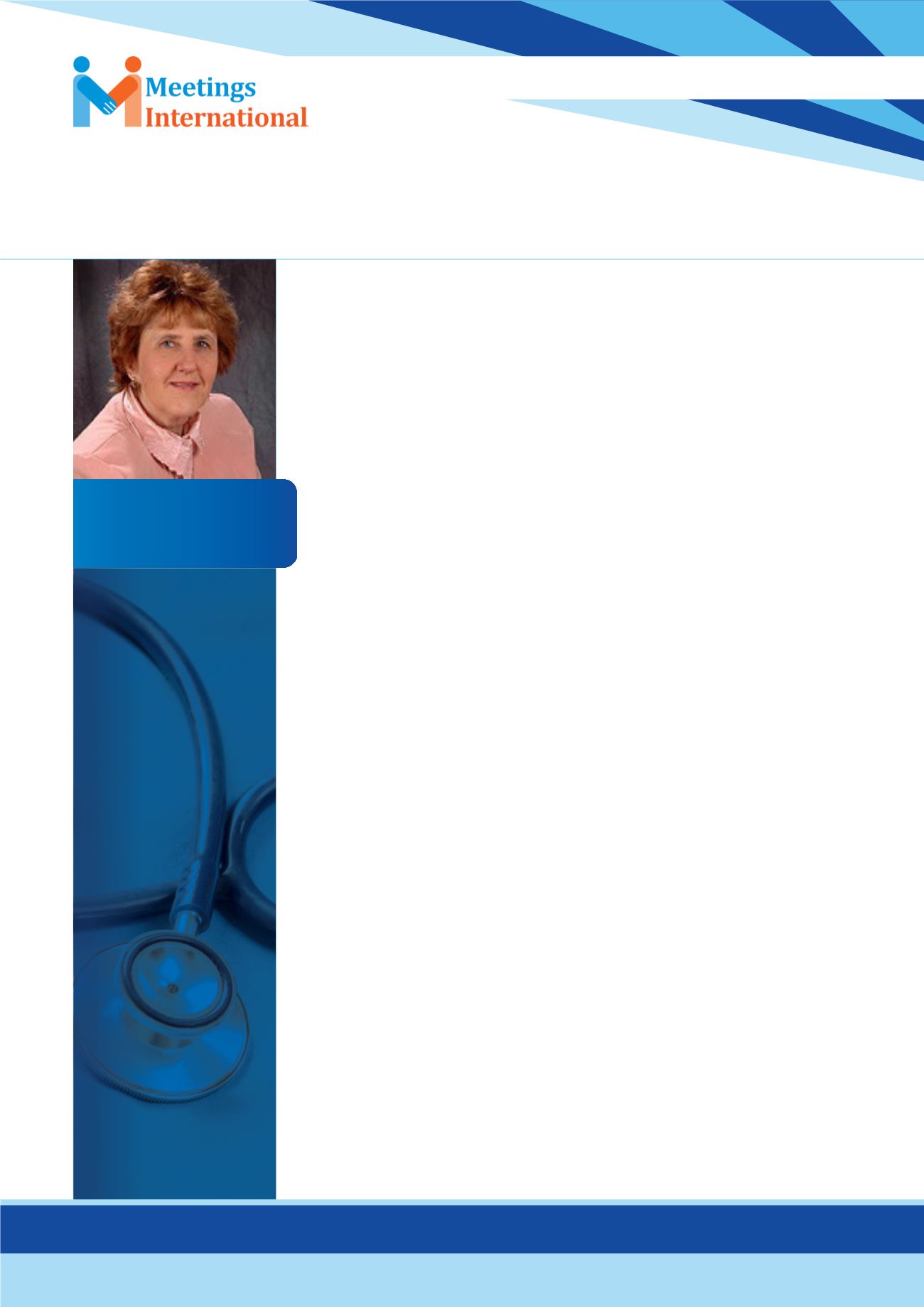
Linda J Ulak has taught many nursing students at Seton Hall University over the years. She has started teaching
at the College of Nursing in 1986. She was an Associate Dean at the College of Nursing from 2002 until 2014. She
also has held positions as Academic Director for the Online RN/BSN program, Chair of undergraduate Nursing
and Director of the Accelerated Nursing Program. She has also worked in the clinical environment at St. Elizabeth
Hospital in Elizabeth, N.J. from 1975 through 2001 mostly in the ICU. She was graduated with her BSN in 1975 as
well as received education in 1991, both from Seton Hall University. She has completed her Masters in Adult and
her Doctorate of Nursing Education at Wagner College. Her teaching assignments have included pathophysiology
and pharmacology as well as several clinical courses. She was an Instructor at Elizabeth General School of
Nursing. During her tenure at Seton Hall, she has served on many university and college committees, including
the University Academic Integrity Committee and the College Cultural Diversity Committee. She has received
numerous awards for teaching from the college, university and professional organizations.
ulaklind@shu.eduLinda J Ulak
Seton Hall University, USA
Linda J Ulak, J Healthc Commun 2017, 2:4 (Suppl)
DOI: 10.4172/2472-1654-C1-001
Nursing Meeting 2017